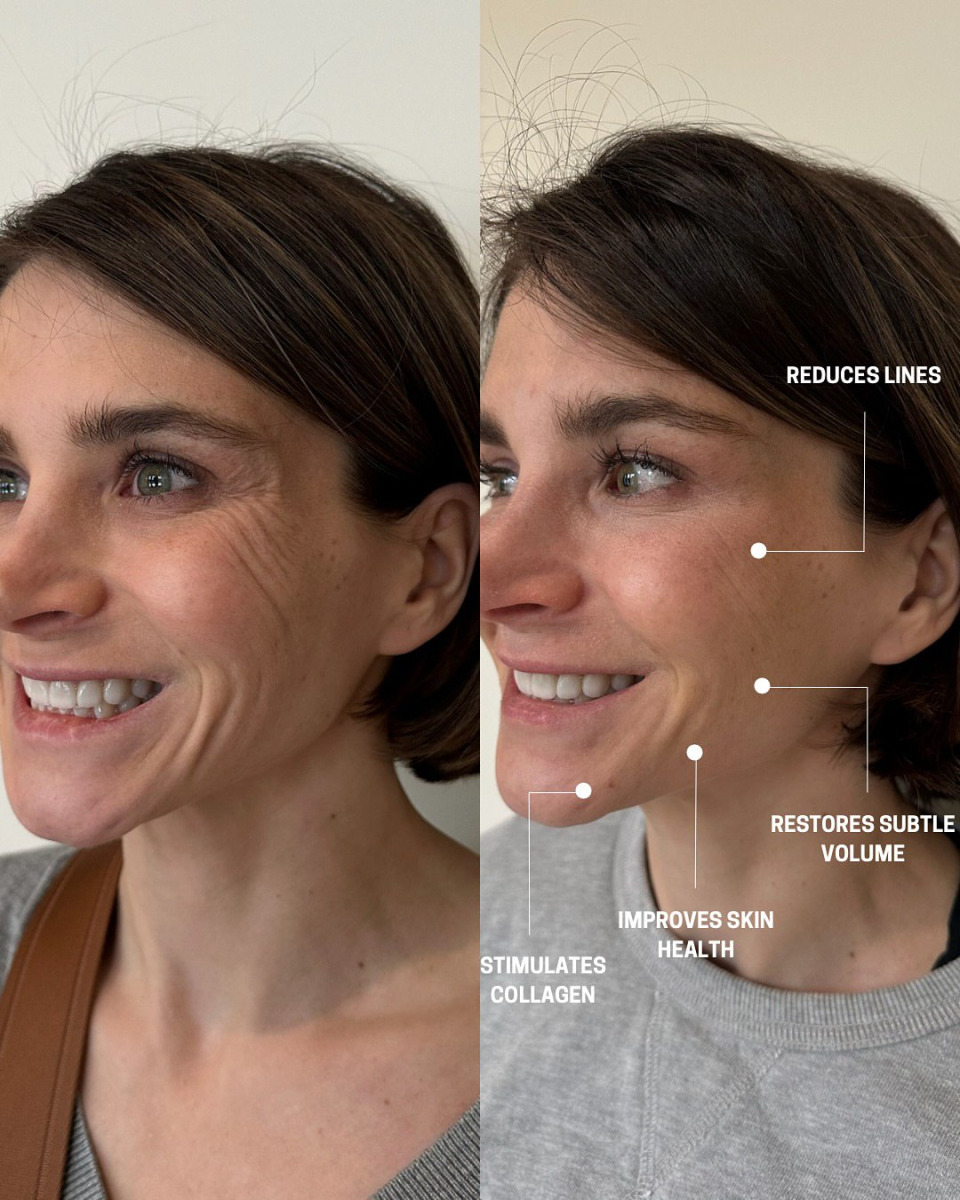
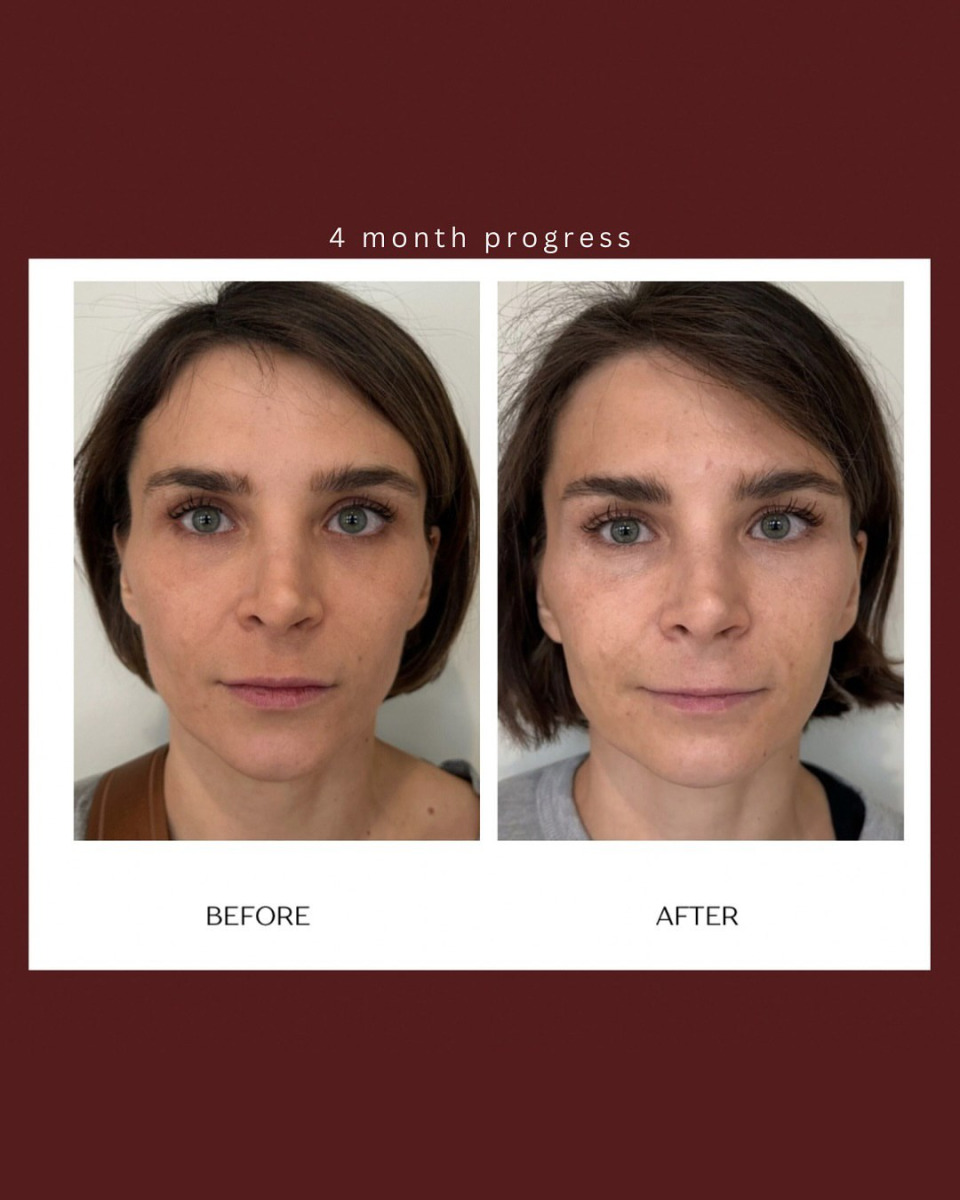
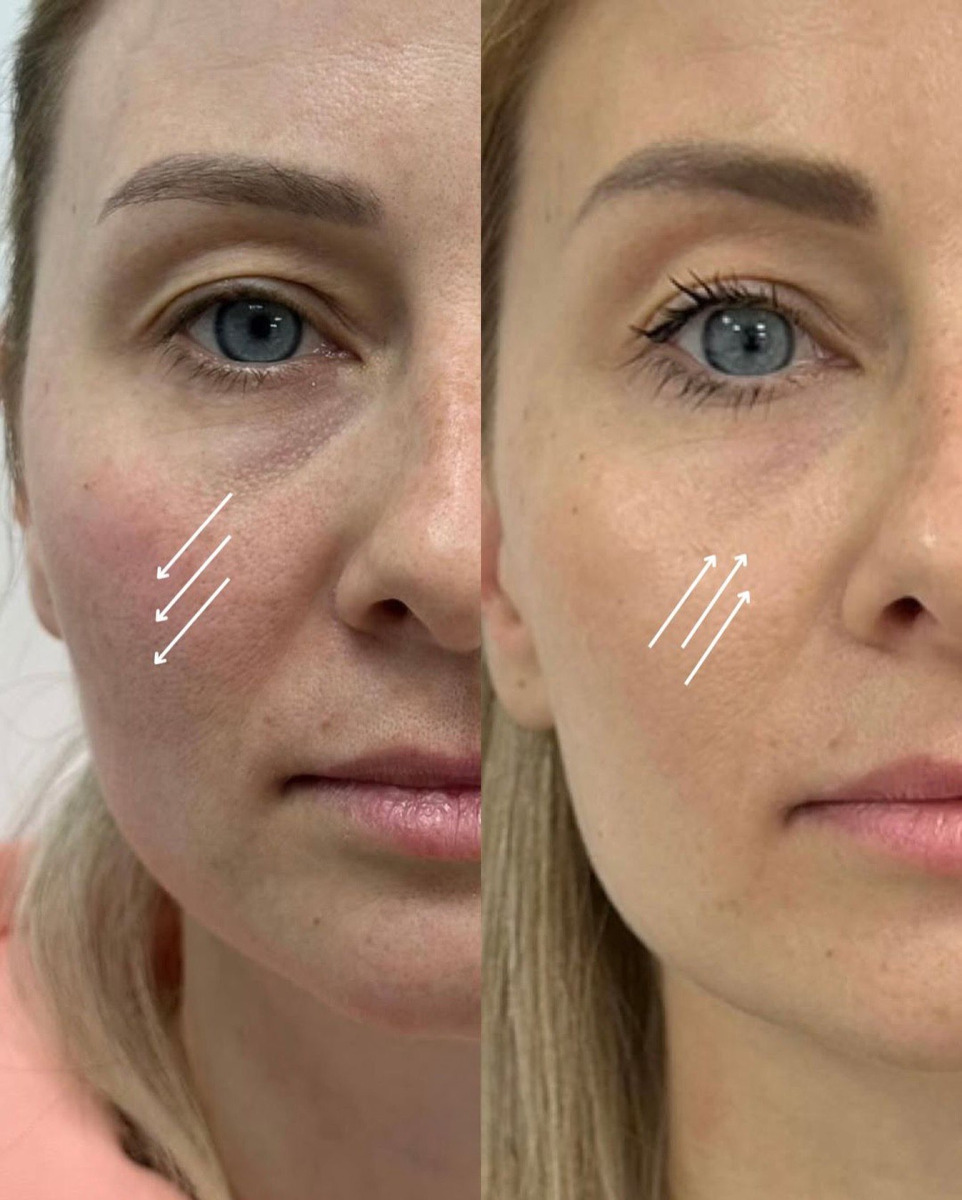
Cellenis PRP is a non-surgical regenerative treatment that uses a concentrated portion of your own blood plasma (platelet-rich plasma) to support skin and tissue rejuvenation. Cellenis describes its PRP system as a proprietary technology based on blood separation by density using a proprietary separation gel.
PRP contains platelets and growth factors that help support the body's natural repair processes. In aesthetic medicine, Cellenis PRP is commonly used to improve skin quality, support collagen production, and promote a healthier, more refreshed appearance over time. Cellenis also lists aesthetic, dermatology, and hair restoration among its treatment categories.
Because Cellenis PRP uses your own blood-derived plasma, it is considered an autologous treatment. Treatment plans are individualized and may be performed as a standalone treatment or combined with other procedures, depending on your goals.
REQUEST AN APPOINTMENTFAQs Cellenis PRP (Platelet-Rich Plasma)
Cellenis PRP is a platelet-rich plasma (PRP) treatment system used to prepare PRP from a patient's own blood for regenerative and aesthetic procedures. It is commonly used to support skin rejuvenation and hair restoration protocols.
A small sample of your blood is collected and processed to isolate a concentrated PRP portion. That PRP is then used in the treatment area (for example, skin or scalp) based on your provider's treatment plan.
The goal of PRP treatment is to deliver growth factor-rich plasma to support the body's natural regenerative response, which may help improve skin quality, texture, and overall appearance over time.
Treatment areas depend on your concerns and your provider's protocol. In aesthetic practice, PRP is commonly used for the face (skin rejuvenation / texture support), under-eye area (when appropriate), neck, decollete area, hands, and scalp / hair restoration support.
Your provider will determine which areas are appropriate for treatment based on your anatomy, concerns, and goals.
You may be a good candidate for Cellenis PRP if you are looking for a non-surgical, regenerative treatment to improve skin quality or support hair restoration, and you prefer a treatment that uses your body's own biologic material.
The best way to determine candidacy is through a consultation with a qualified provider, who will review your medical history, concerns, and treatment goals and recommend whether PRP is appropriate for you.
PRP treatment may not be appropriate for everyone. Your provider will review your health history and determine whether treatment is safe and suitable for you.
Treatment may need to be postponed in certain situations (for example, active infection in the treatment area or other medical concerns affecting healing), based on provider assessment.
The number of sessions depends on the treatment indication (skin vs. scalp/hair), your current condition, and your goals.
Many PRP treatment plans are performed as a series of sessions, often with maintenance treatments recommended over time. Cellenis-related FAQ materials commonly describe courses such as 3 sessions spaced several weeks apart depending on indication and patient needs.
Your provider will recommend a personalized treatment schedule during your consultation.
Results are not usually immediate. PRP works gradually by supporting the skin's or scalp's natural regenerative processes.
Many patients notice improvement over the weeks following treatment, with continued changes over time depending on the treatment area and whether a series of sessions is performed. Your provider will explain the expected timeline based on your treatment plan.
Downtime is typically minimal, but it depends on how the PRP is used (for example, injections vs. combination with microneedling) and the treatment area.
Some patients may experience temporary redness, mild swelling, tenderness, or bruising (if injected). These effects are usually temporary and improve within a few days.
Cellenis PRP is an autologous PRP system, meaning it uses the patient's own blood-derived plasma. In general, PRP-based treatments are commonly used in aesthetics and regenerative protocols, and safety depends on proper patient selection, sterile technique, and provider experience.
As with any procedure involving blood draw, injection, or skin treatment, side effects and risks are possible. A qualified provider will review risks, benefits, and expected outcomes during your consultation.
Results (Before / After)